Glass-Lined
Reactors &
Process Equipment
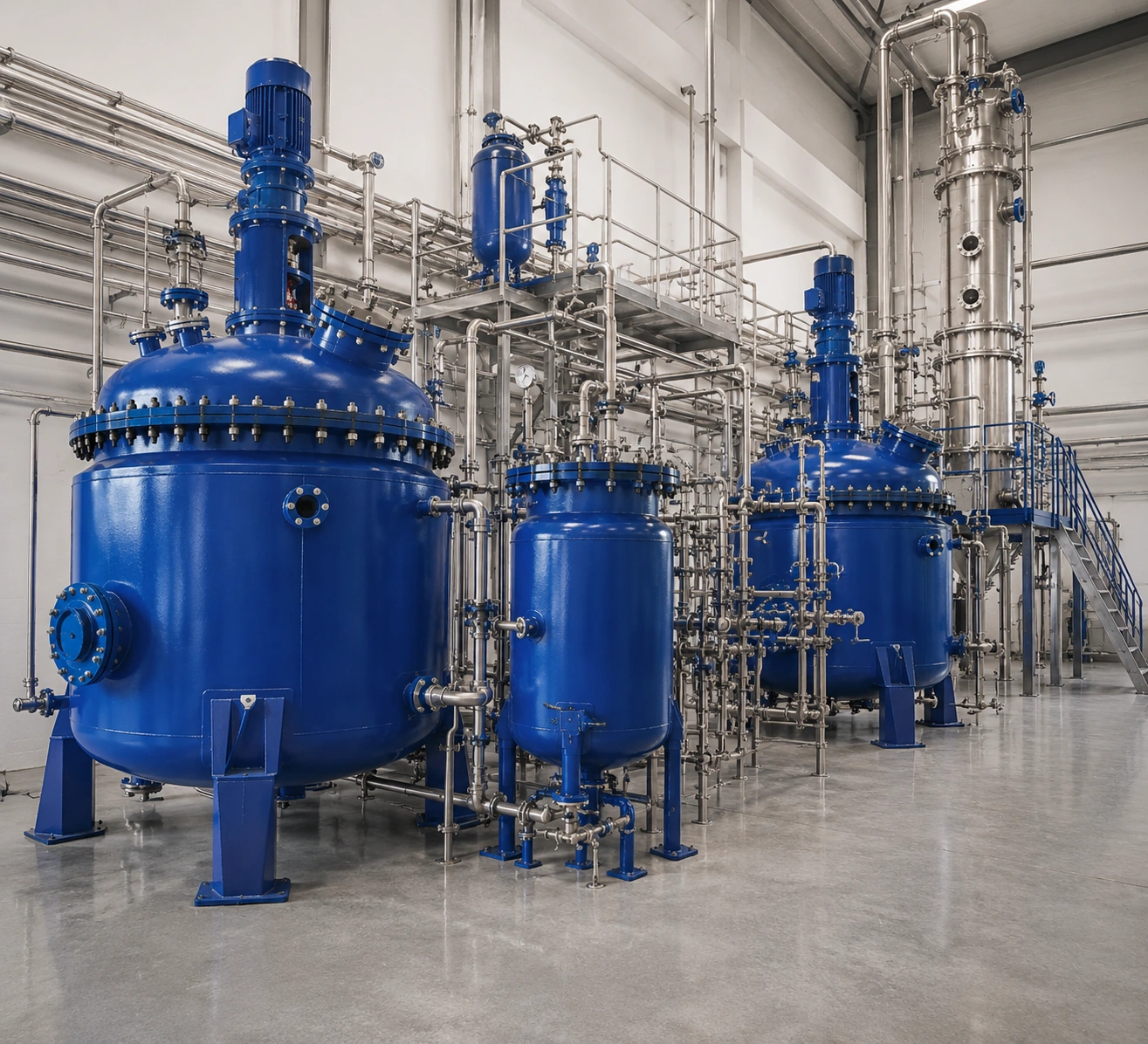
GLP is a glass lined equipment manufacturer supplying reactors, vessels, agitation systems and related process equipment for corrosive chemical reaction, mixing, storage and heat-transfer duty.
Built Around
the Process
From reaction and storage to agitation and thermal control, GLP equipment is configured around the actual requirements of the chemical process.
Reaction
Glass-lined reaction systems for corrosive chemical processing and controlled batch operation.
Storage
Process vessels configured for intermediate storage, feed preparation and corrosive media handling.
Mixing
Agitation configurations selected according to viscosity, blending duty and process objectives.
Heat Transfer
Jacketed process equipment designed around heating, cooling and reaction temperature control.
Equipment Built
Around the Process
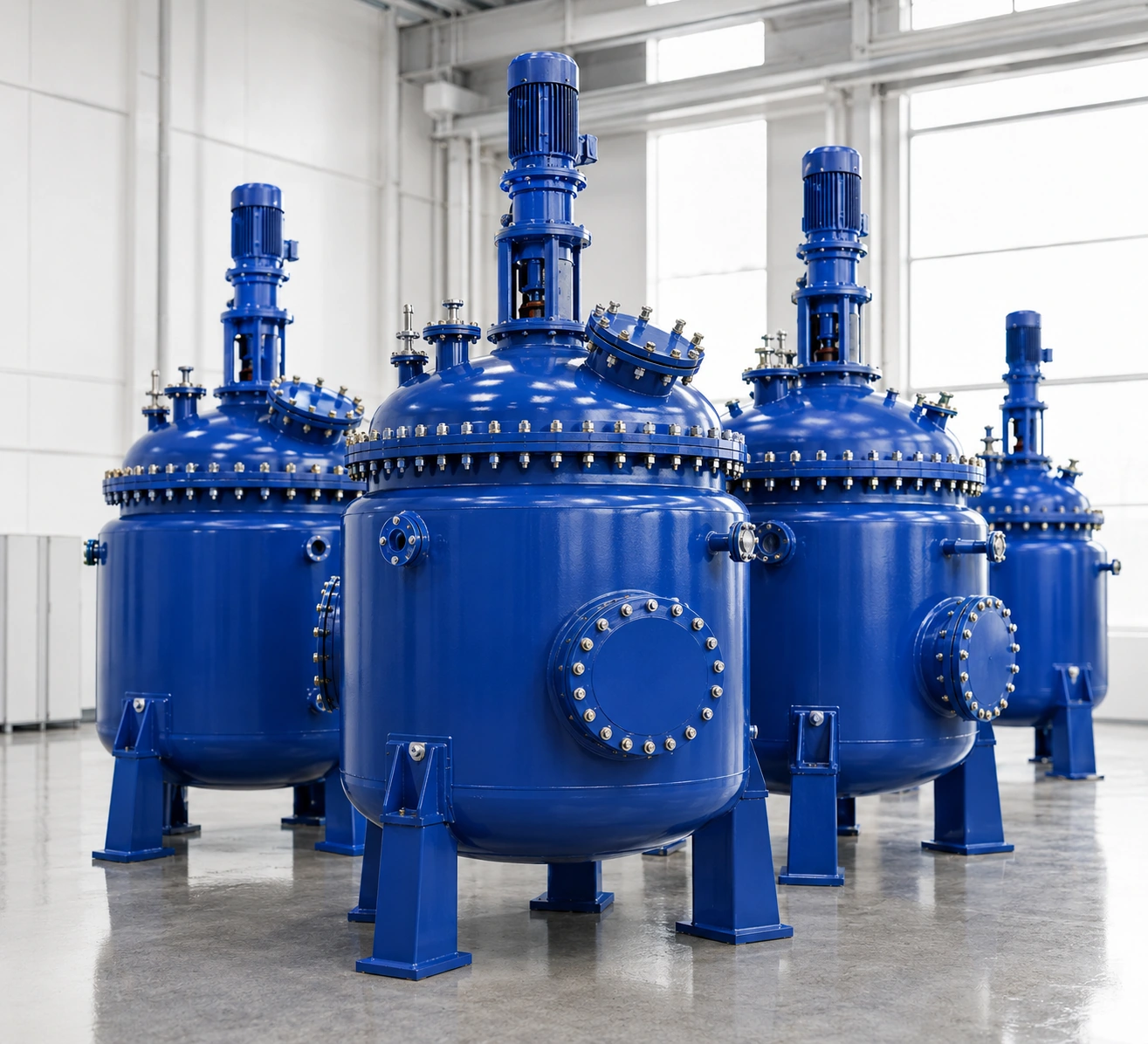
Glass-Lined Reactors
Glass-lined reactors combine corrosion-resistant process surfaces with robust steel vessel construction. Configuration is selected according to working volume, medium, temperature, pressure, agitation duty and heat-transfer requirements.
VIEW REACTOR RANGE →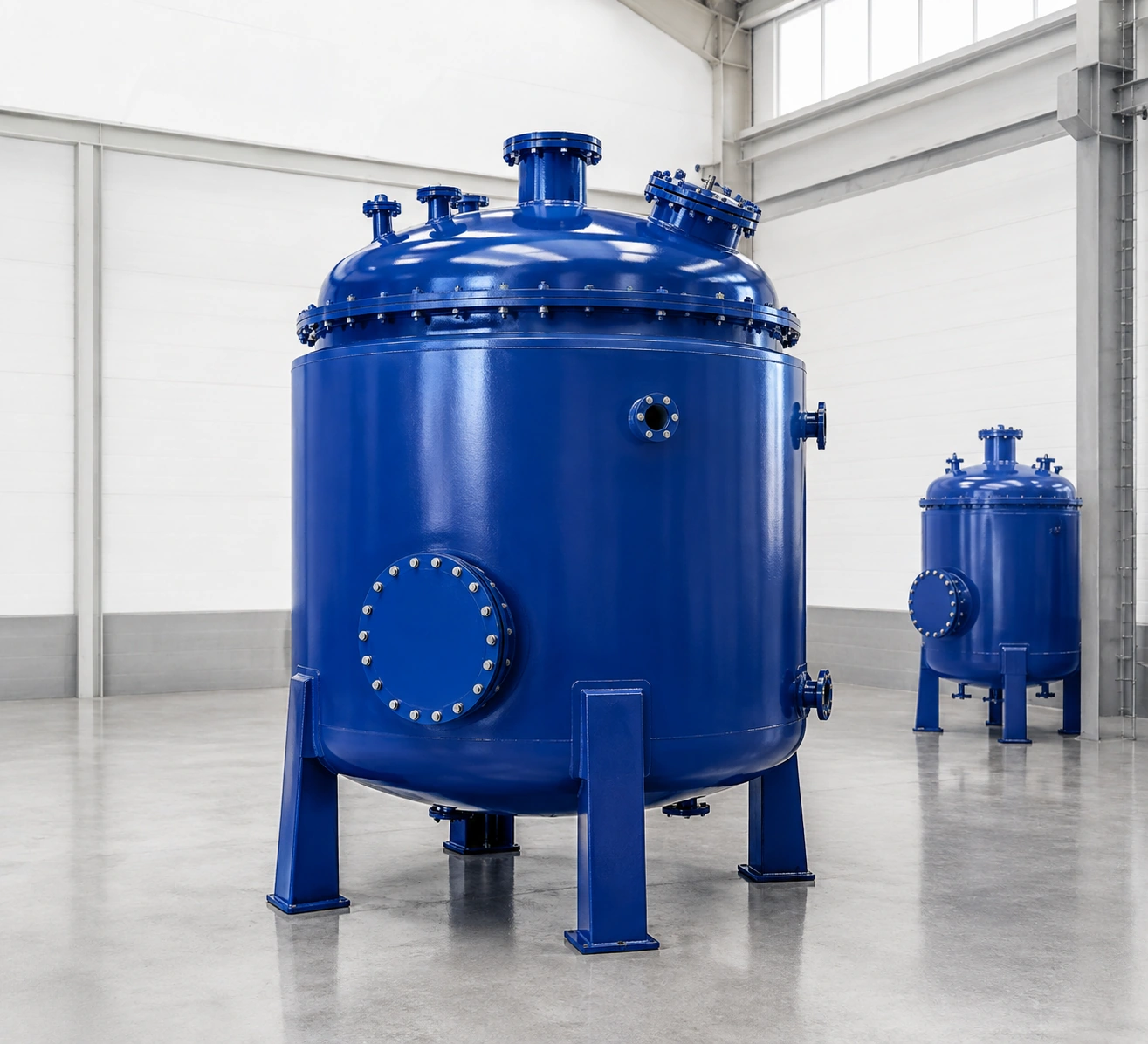
Glass-Lined Storage Vessels
Designed for storage, feed preparation, intermediate collection and process buffering where corrosion resistance and clean product-contact surfaces are required.
VIEW STORAGE EQUIPMENT →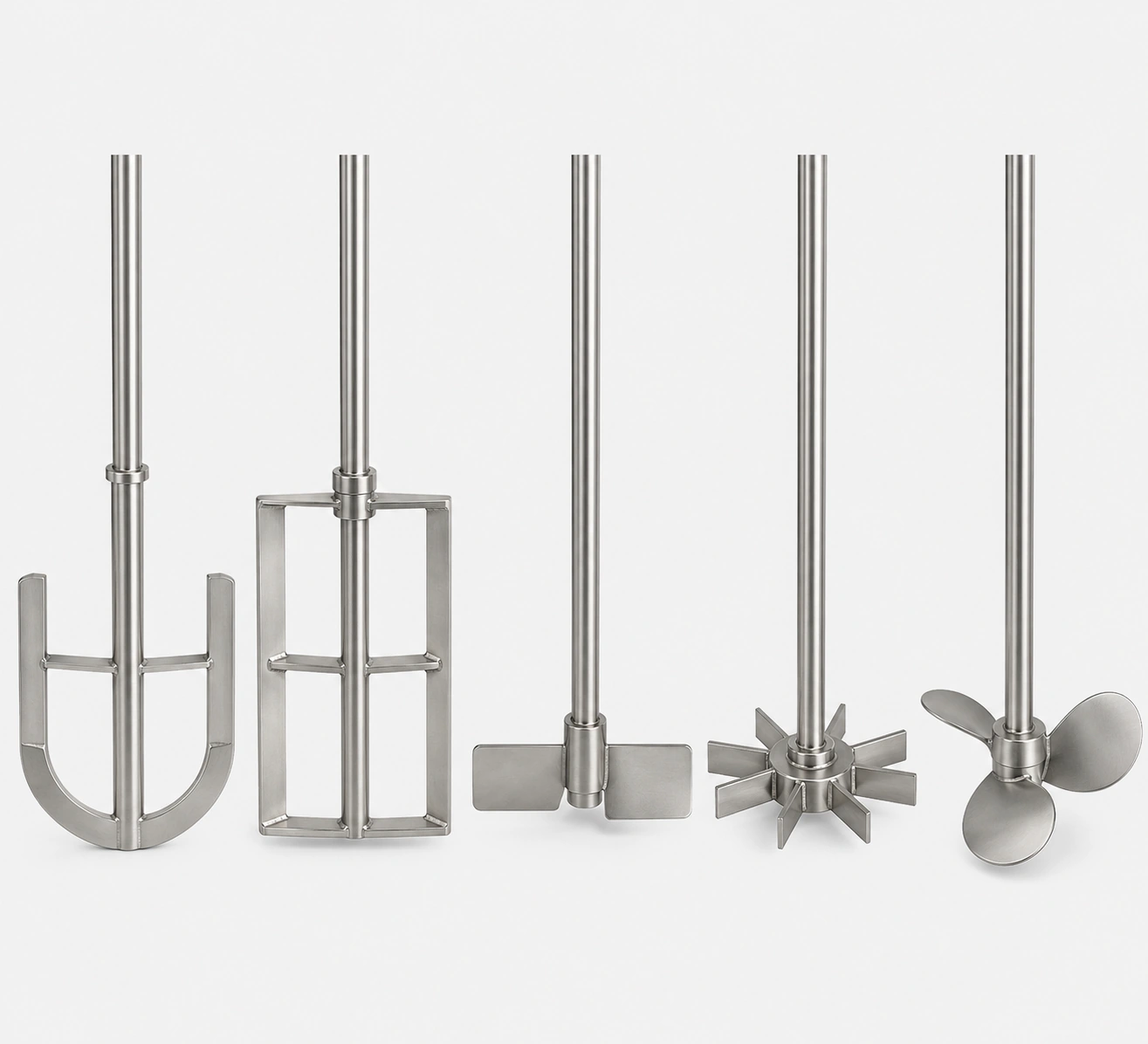
Agitation & Mixing
Impeller geometry, rotational speed and agitation arrangement affect blending, suspension, heat transfer and reaction efficiency. Mixing configuration should therefore be selected together with the reactor duty.
EXPLORE MIXING OPTIONS →More Process
Equipment
Supporting equipment is selected as part of the complete process arrangement rather than as isolated components.
Engineering
Before Equipment
Equipment configuration is defined around actual operating conditions rather than vessel capacity alone.
Built for Chemical
Process Industries
From Vessel
Fabrication to
Final Inspection
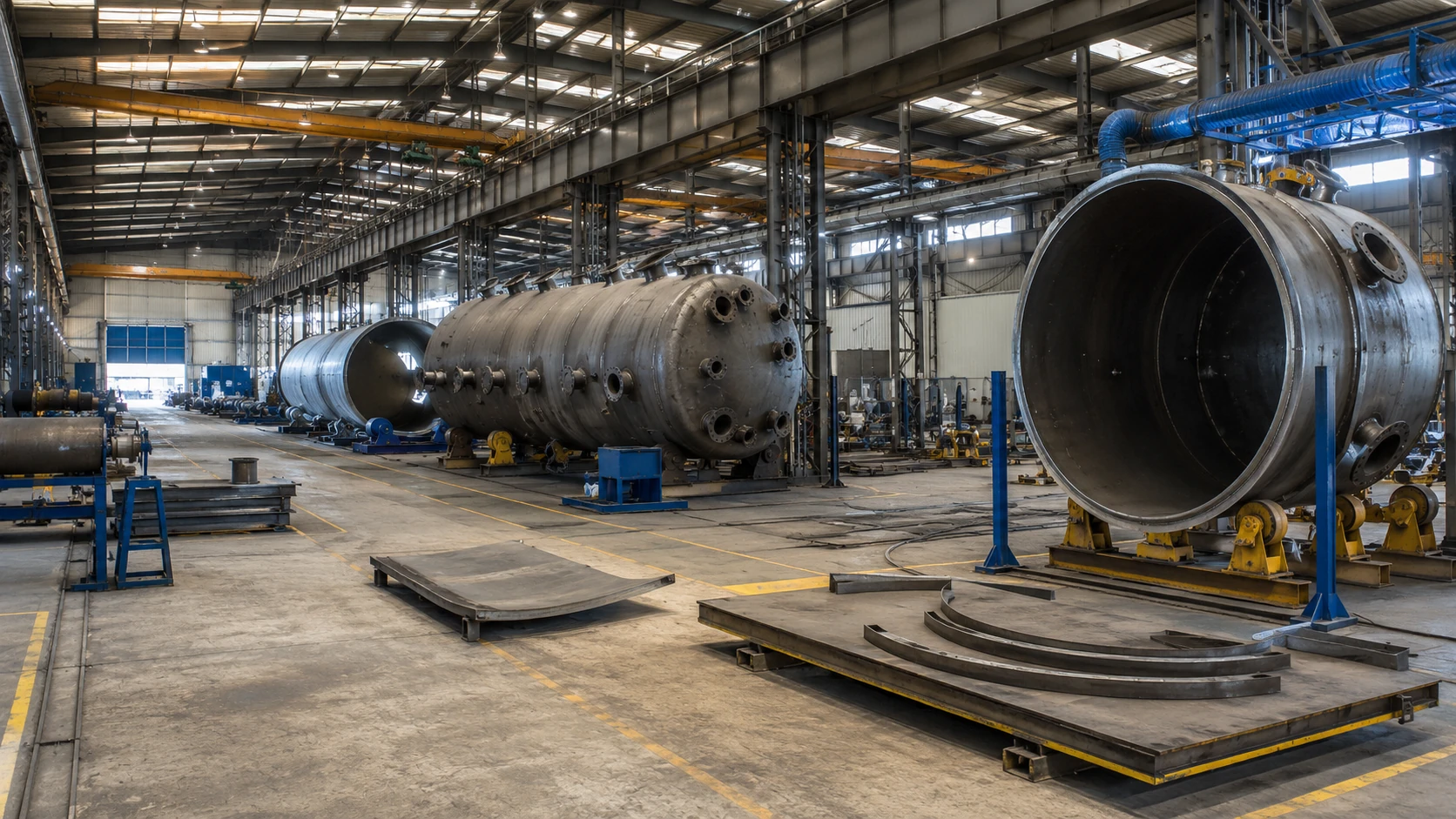
Process equipment manufacturing combines vessel fabrication, surface preparation, glass lining, machining, assembly and final inspection into one controlled production sequence.
Quality You
Can Verify
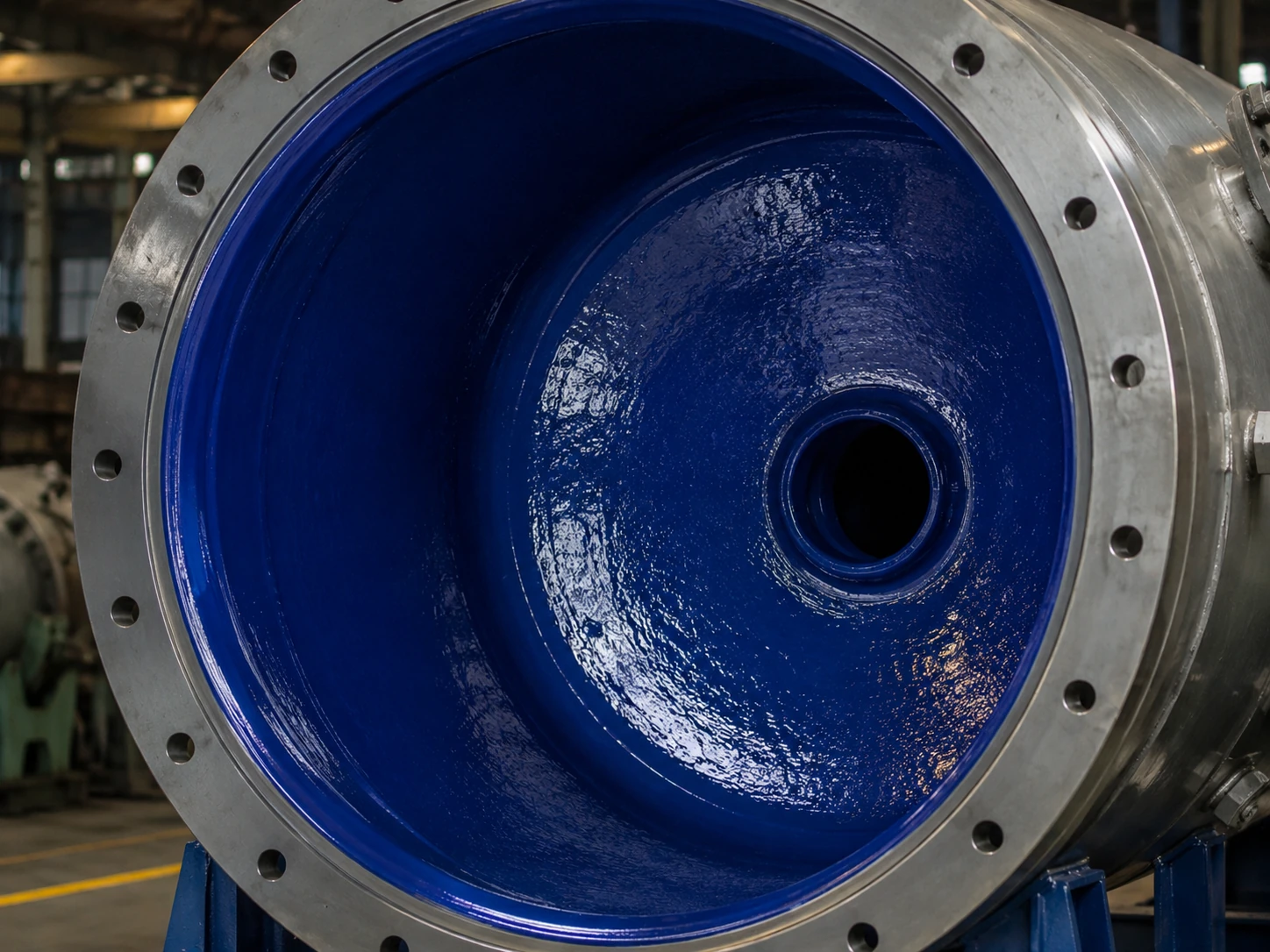
Inspection should confirm both process-surface integrity and the mechanical condition of the finished equipment, supported by clear project documentation.
Process Comes First
Process-Based Selection
Equipment is evaluated according to actual operating conditions instead of capacity alone.
Engineering Communication
Technical requirements are organized around the information needed to define the equipment configuration.
Equipment Integration
Reactors, storage, agitation, heat transfer and supporting components are considered as one process system.
Project Documentation
Technical communication and documentation remain part of the project from inquiry through equipment delivery.
Tell Us
What the Process
Requires.
Share the main operating conditions and we can begin evaluating the suitable equipment configuration.