
Glass-Lined Agitators
Glass-lined agitators support mixing duties inside corrosion-resistant reactor systems, helping move, contact and distribute process materials according to the required operation.
The appropriate agitator arrangement depends on the mixing objective, product behaviour, vessel geometry, operating conditions and the drive and vessel interface.
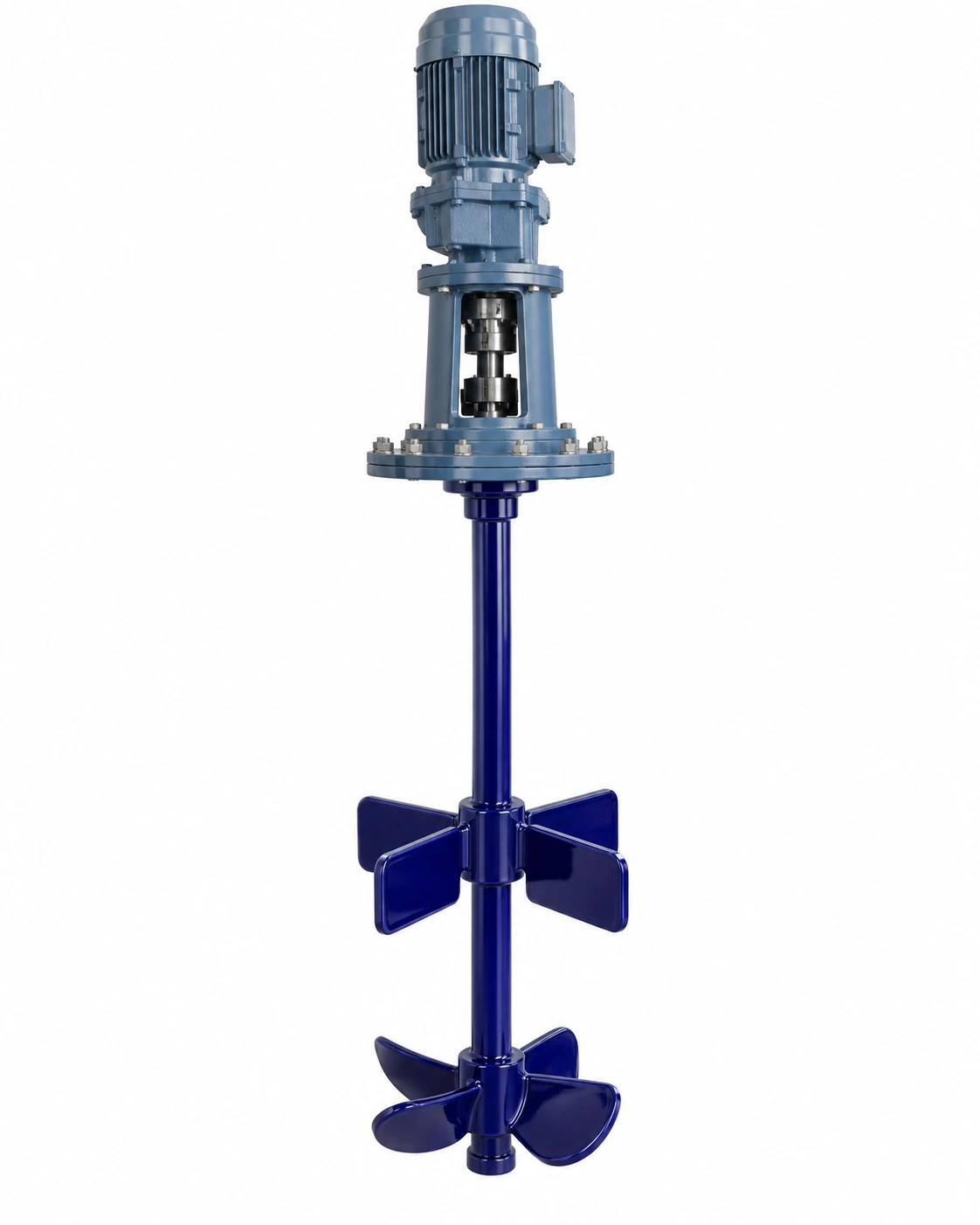
The Agitator Must Match the Mixing Duty
Agitation is defined by what the process needs the vessel contents to achieve. Geometry and arrangement should follow the duty rather than being selected as an isolated component.
Blending
Support distribution and uniformity between process materials.
Suspension
Support solid-liquid contact where solids must remain distributed.
Dissolution
Promote contact between soluble solids and the liquid phase.
Thermal Uniformity
Support circulation through the vessel working volume during heating or cooling.
Reaction Mixing
Support contact and movement required by the reaction process.
The Agitator Is Not an Isolated Component
The agitator, vessel, drive arrangement and process requirement should be reviewed together so the mixing equipment remains consistent with the reactor configuration.
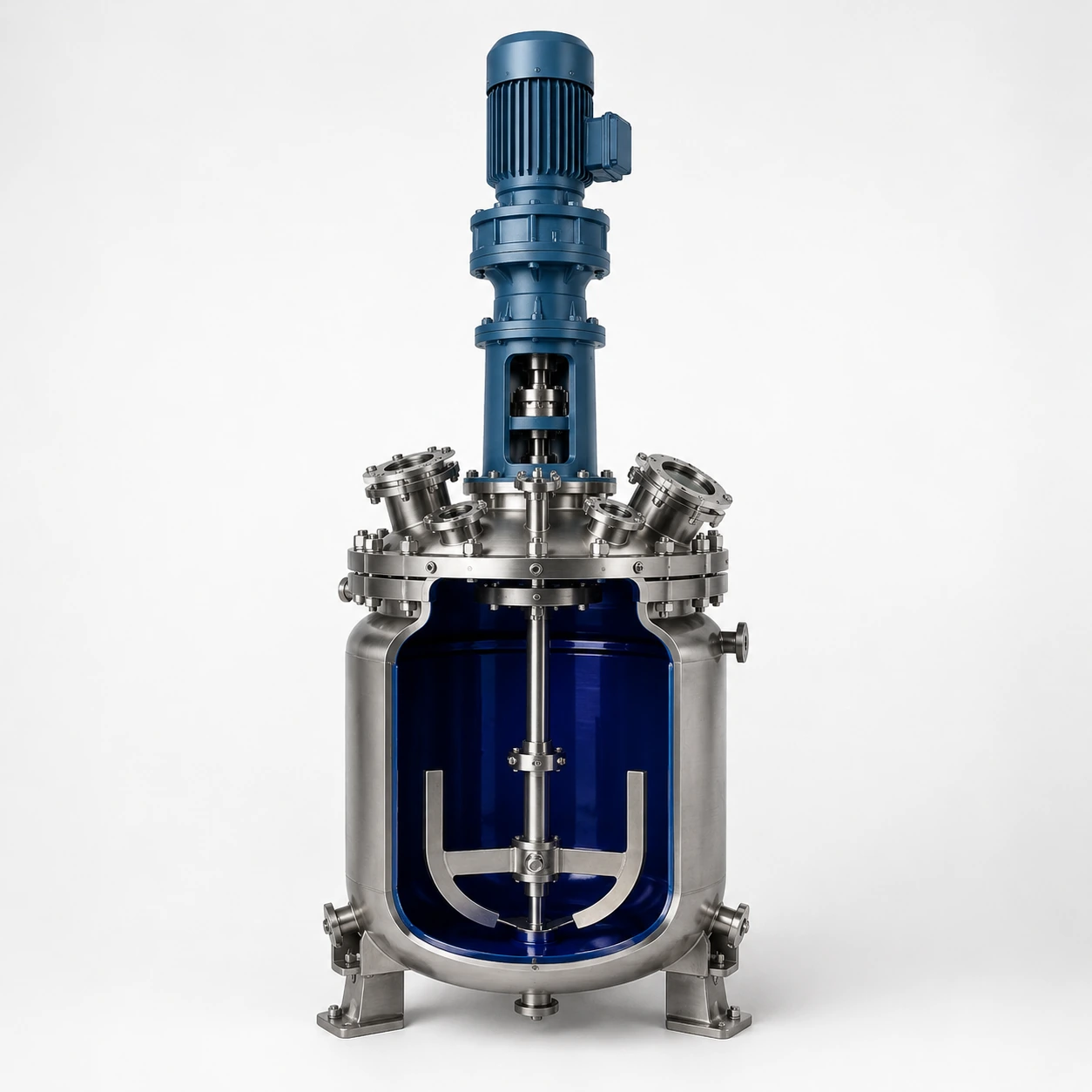
Define the Mixing Duty in Context
A useful review can begin with the process objective and the existing vessel or agitator information. Not every project starts with a complete specification.
Process Information
Mixing ObjectiveWhat should the agitation achieve?
Product BehaviourShare viscosity, solids or phase information where available.
Process ChangesDescribe relevant changes during the batch or operating cycle.
Equipment Information
Vessel ContextProvide vessel size or existing reactor information where available.
Operating ConditionsTemperature and pressure or vacuum conditions.
Drive & InterfaceExisting shaft, drive, access or vessel interface information.
Replacing or Matching an Existing Agitator?
For an existing reactor or agitator, send the available drawing, equipment photos, shaft information, known dimensions and operating requirement. Existing reference information can be used to begin a replacement or matching review.
If some dimensions or operating details are missing, send the available information first and identify the equipment that needs to be matched.
Useful Information for an Agitator Review
Start with the information that is available. Viscosity or solids data can be useful where confirmed, but incomplete information should not prevent the initial discussion.
Process Medium
Material handled inside the vessel.
Mixing Objective
Blending, suspension, dissolution, thermal uniformity or reaction mixing duty.
Vessel Information
Existing reactor or vessel context where available.
Operating Conditions
Temperature and pressure or vacuum information.
Product Behaviour
Viscosity or solids information if available.
Existing Drawing / Photos
Reference information for a new or replacement review.
Keep the Mixing Review Connected
Agitator requirements are often defined together with the reactor, vessel and engineering interfaces.
Questions for a Glass-Lined Agitator Review
These answers describe the product role at category level. Final suitability depends on confirmed project information.
What information is needed to review a glass-lined agitator?
Start with the mixing objective, process medium, vessel information and operating conditions. Existing drawings or photos are useful where available.
Can an agitator be reviewed for an existing reactor?
Yes. Existing reactor and agitator information can be used to clarify the interface and replacement requirement.
Does every reactor require the same agitator arrangement?
No. Mixing duty, product behaviour, vessel geometry and operating conditions influence the required configuration.
Can a review begin if viscosity or solids information is incomplete?
Yes. Send the available process and equipment information first. Missing data can be identified during technical clarification.
Send the Existing Data or Start With the Mixing Objective
GLP can begin from a new process requirement or from an existing agitator, reactor drawing or replacement need.