Glass-Lined Equipment
Across Chemical
Process Industries
Glass-lined process equipment serves different roles across pharmaceutical, agrochemical, fine chemical, resin, pigment and specialty chemical production.
Application requirements vary with the process medium, reaction duty and operating conditions.
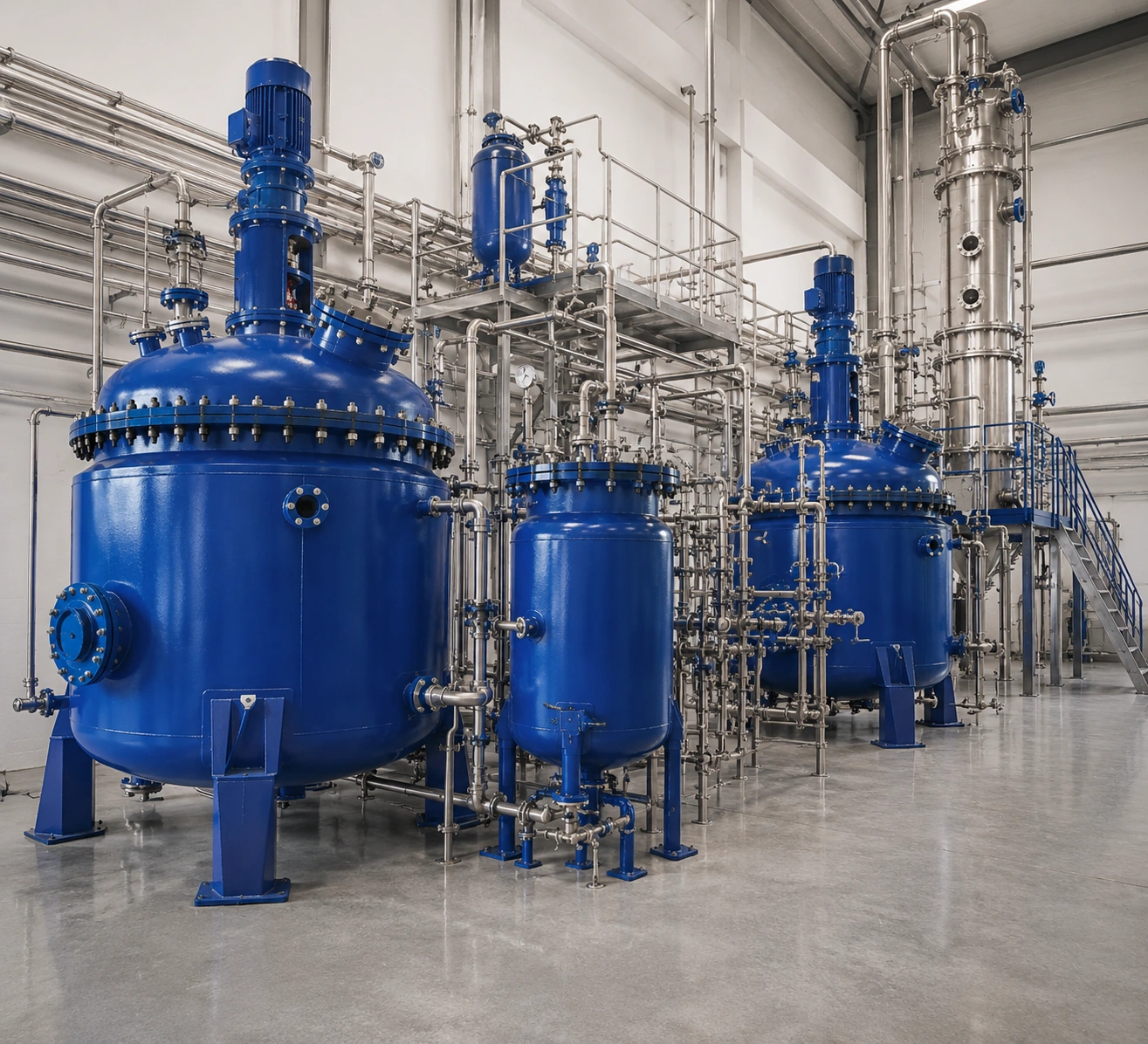
Different industries. Different process priorities.
Glass-lined equipment serves pharmaceutical, agrochemical, fine chemical, resin and polymer, dyes and pigments, and specialty chemical production. The process context changes the engineering emphasis.
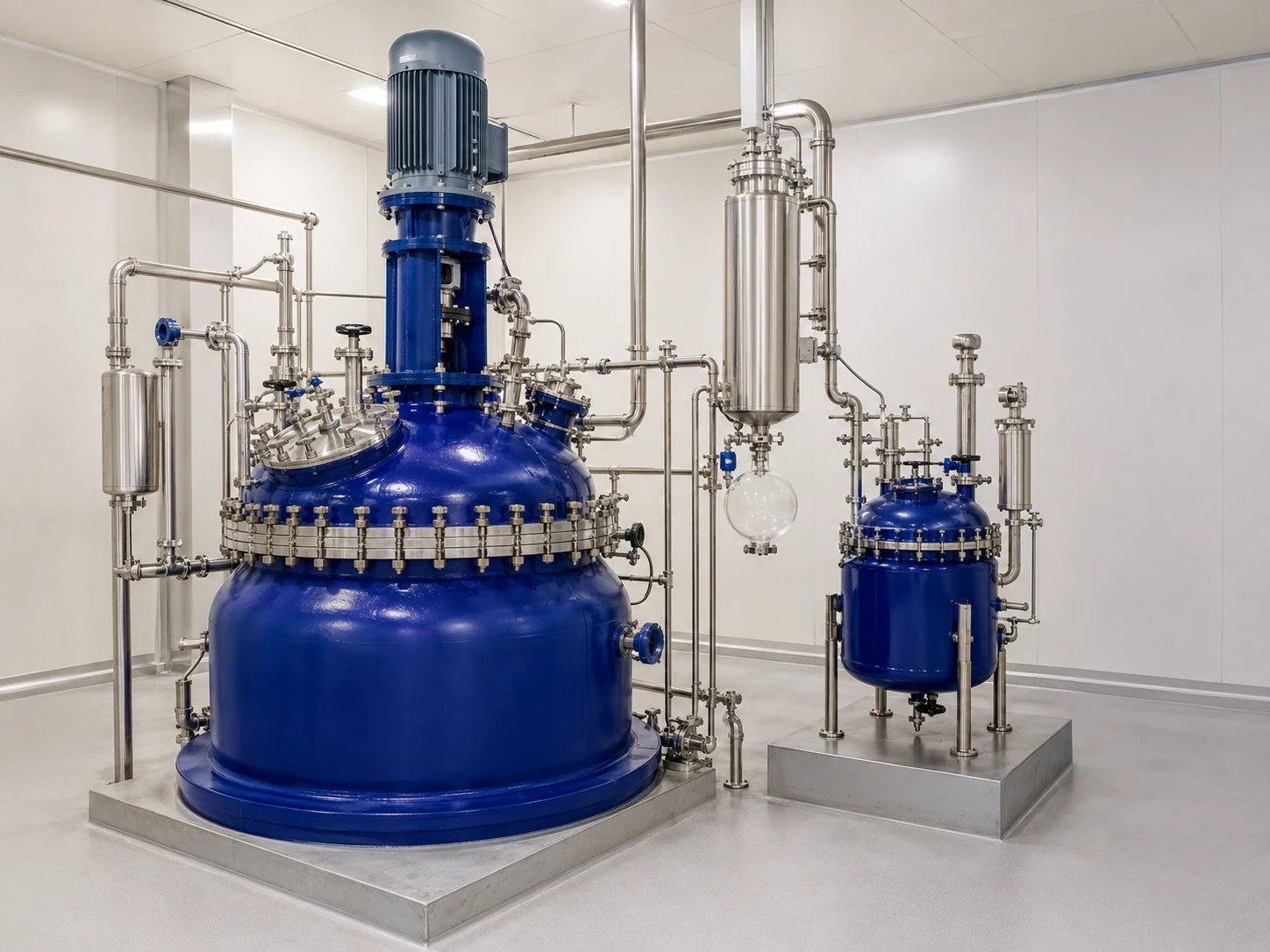
Pharmaceutical
Clean, controlled batch processing where material compatibility and changeover discipline matter.
Corrosion resistance · Cleaning / batch changeover · Contamination control · Controlled reaction duty
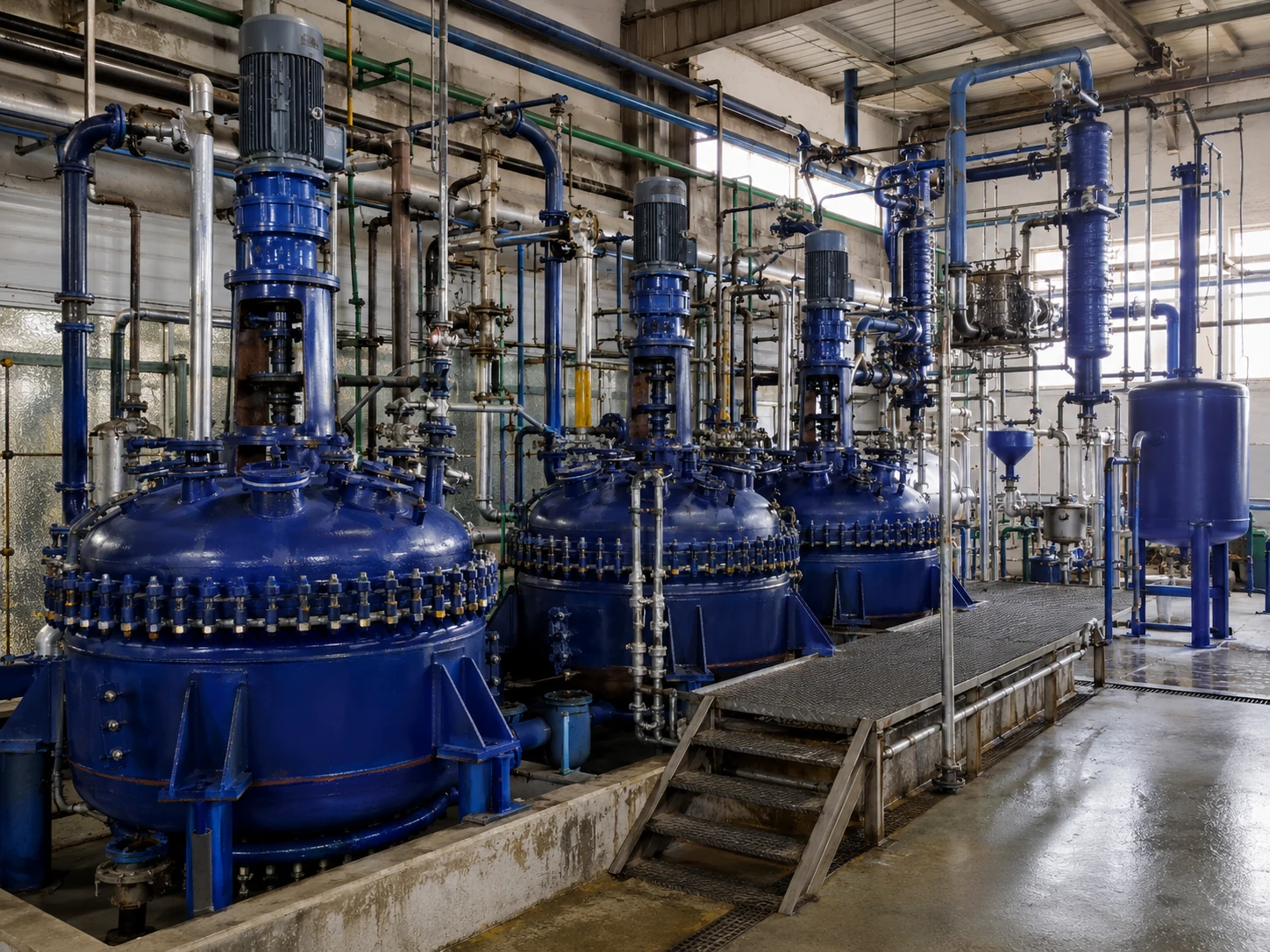
Agrochemical
Corrosive intermediates and variable batch conditions require coordinated reaction and thermal control.
Corrosive intermediates · Multi-stage reaction · Temperature control · Variable batches
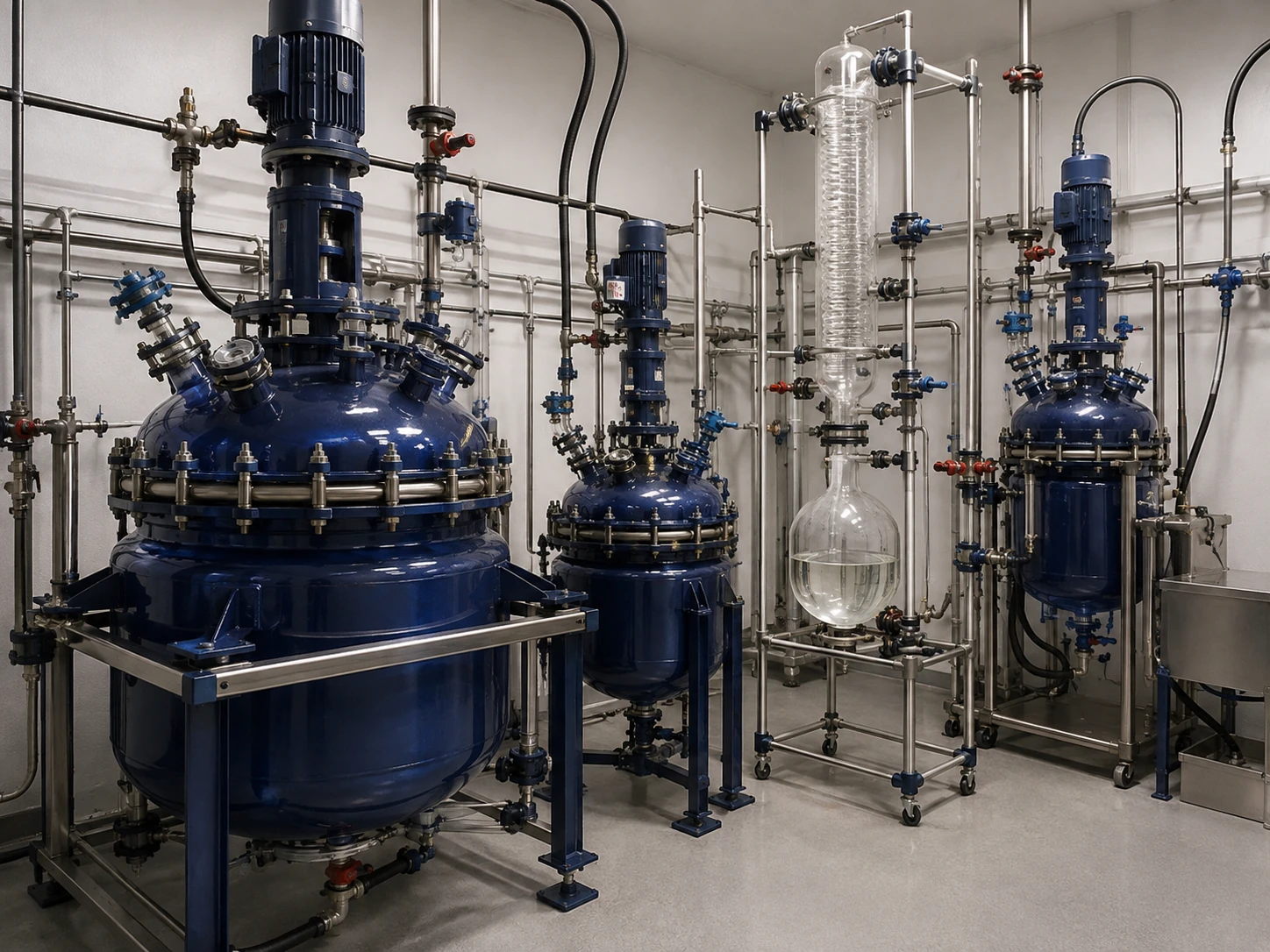
Fine Chemicals
Flexible batch production often depends on controlled additions and frequent product changeover.
Flexible batches · Multiple feeds · Reaction control · Product changeover
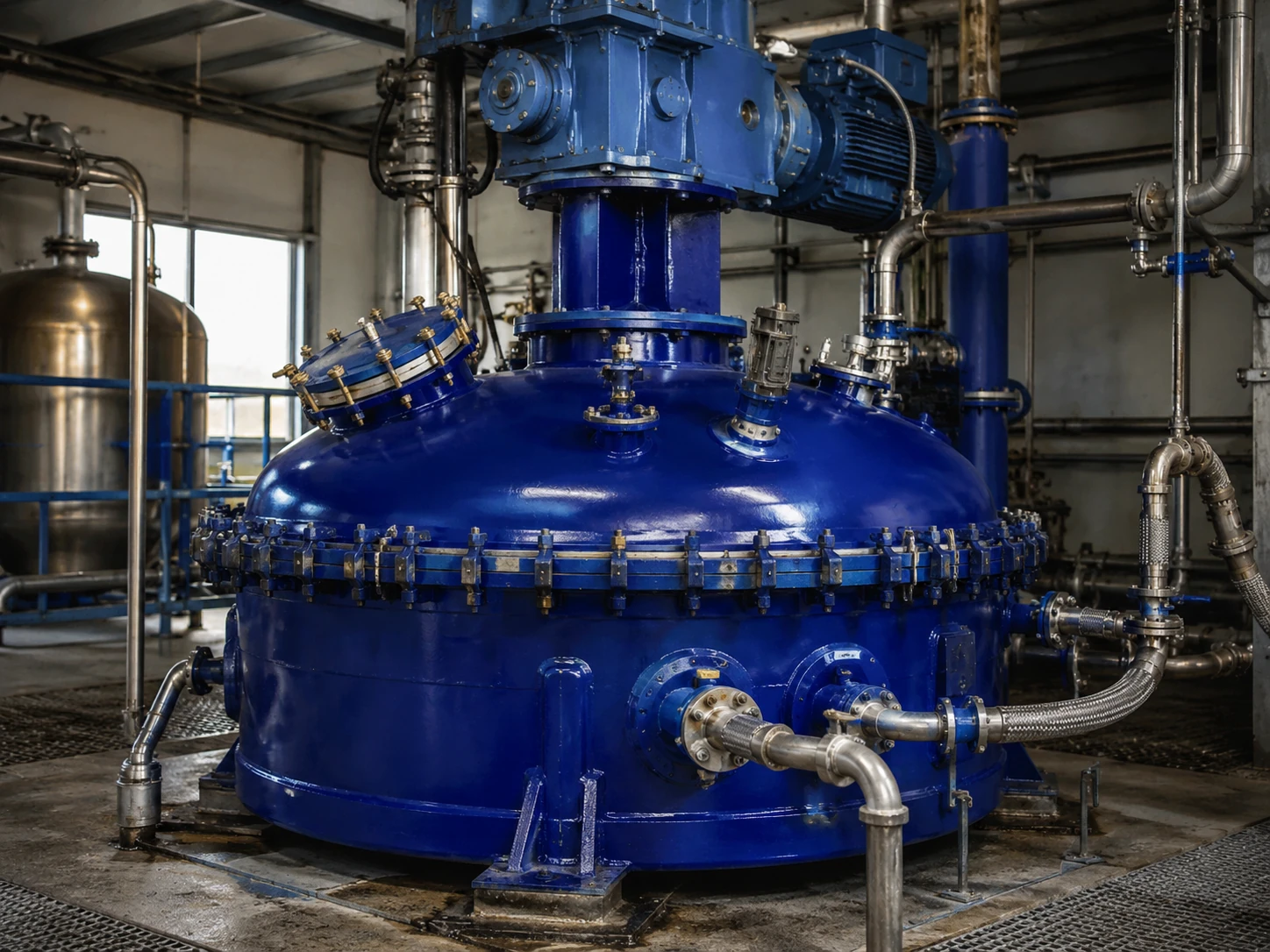
Resin & Polymer
Viscosity development and heat removal influence mixing load and batch consistency.
Viscosity development · Agitation load · Heat removal · Batch consistency
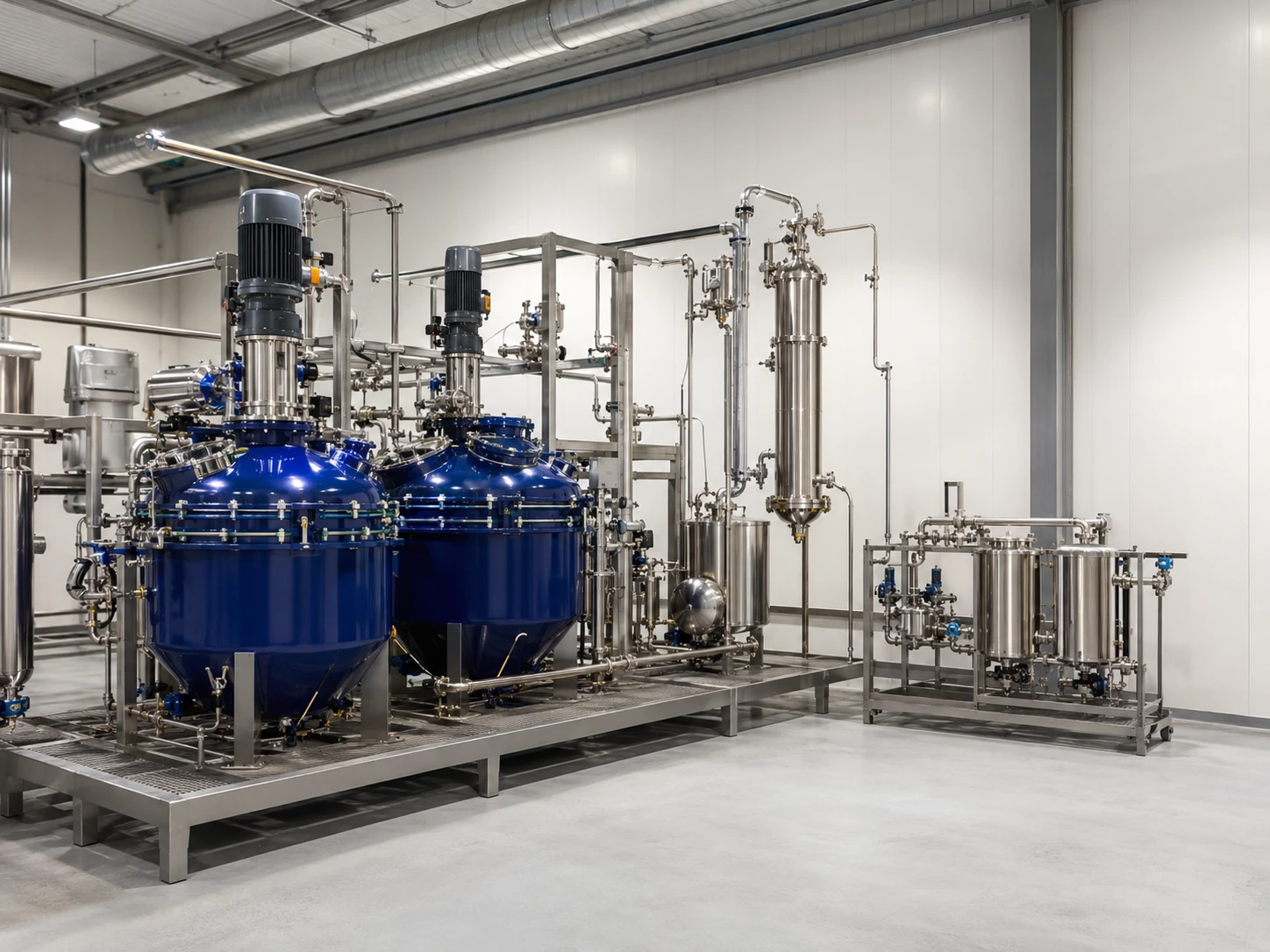
Dyes & Pigments
Solids handling and uniform mixing must be balanced with corrosive media and cleaning needs.
Solids handling · Mixing uniformity · Corrosive media · Cleaning requirement
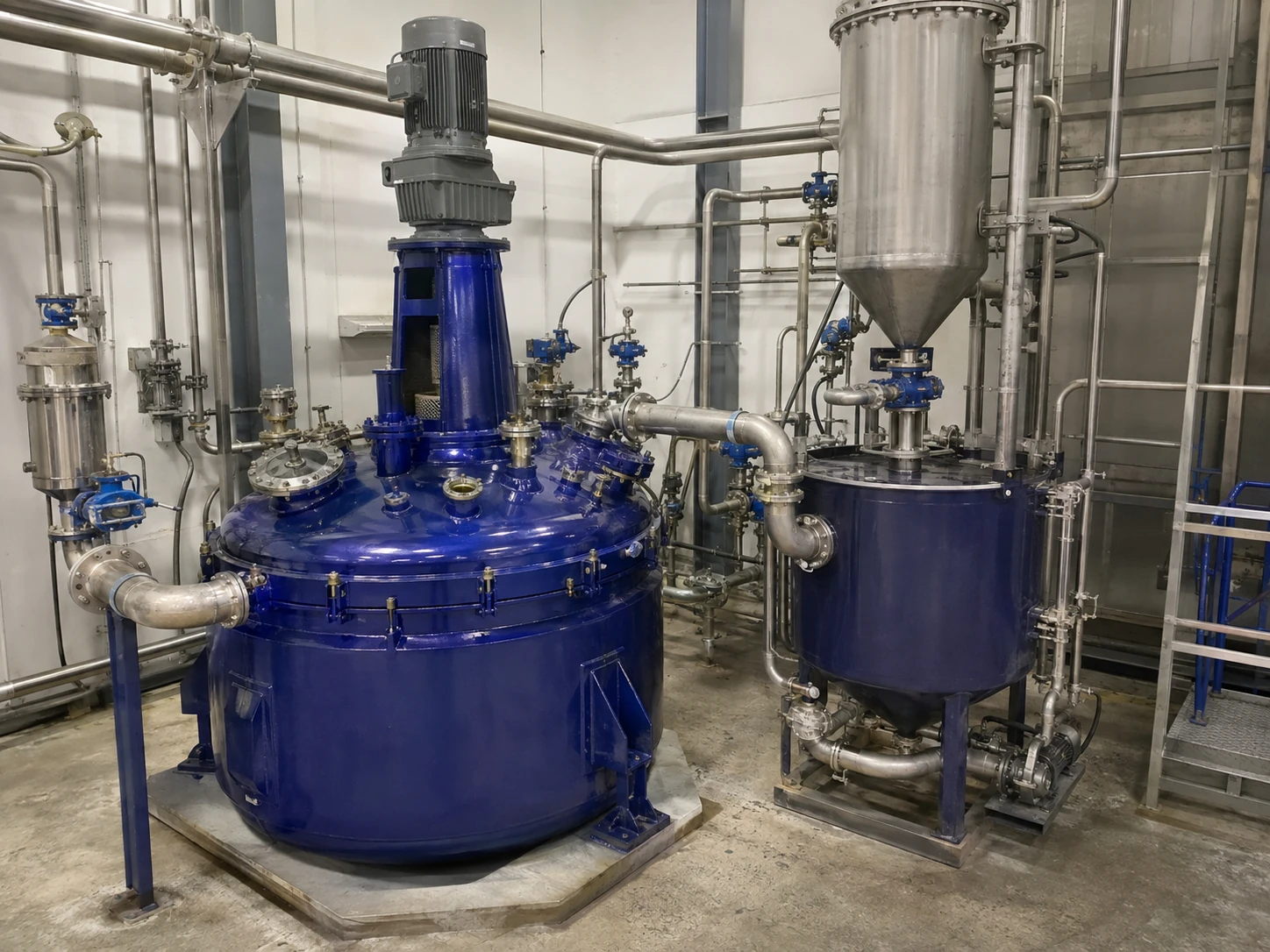
Specialty Chemicals
Variable chemistry and multipurpose production call for flexible operating conditions and interfaces.
Variable chemistry · Multipurpose equipment · Flexible conditions · Custom interfaces
Shared challenges across different applications.
Corrosion Resistance
Protect process integrity where chemistry demands compatible surfaces.
Reaction Control
Keep vessel duty aligned with the intended process stage.
Mixing
Match agitation to product behaviour and process objective.
Thermal Management
Coordinate heating or cooling with the process duty.
Separation / Recovery
Consider condensation, receiving and recovery interfaces.
Connect the process function to the equipment role.
Conditions that change the equipment basis.
Process chemistry, operating conditions, mixing behaviour, thermal duty, cleaning / access and process interfaces can shift the engineering emphasis from one application to another.
Process Chemistry
Medium compatibility and corrosive chemical processes.
Operating Conditions
Temperature and pressure / vacuum requirements.
Mixing Behaviour
Product behaviour and agitation objective.
Thermal Duty
Heating, cooling and heat-transfer requirements.
Cleaning / Access
Access, maintenance and process connections.
Questions about glass-lined applications.
Which industries commonly use glass-lined reactors?
Pharmaceutical, agrochemical, fine chemical, resin and polymer, dyes and pigments, and specialty chemical production commonly use glass-lined process equipment.
Why are glass-lined reactors used in corrosive chemical processes?
The glass lining provides a corrosion-resistant process surface for suitable chemical duties while the vessel supports controlled reaction and related process functions.
What process conditions affect equipment selection?
Medium, capacity, operating temperature, pressure / vacuum, mixing duty, heat transfer and interfaces all influence the equipment configuration.
Can the same reactor design be used across applications?
No single configuration fits every duty. The vessel, agitation, thermal arrangement and interfaces should follow the application requirements.
How do viscosity and solids affect equipment configuration?
They affect the mixing objective, agitator arrangement, drive and access requirements. The final basis depends on the actual product behaviour and process duty.
Discuss your process application with GLP.
Share the process medium, operating conditions and required equipment duty. Parameters can be incomplete at the initial stage.