
Glass-Lined Storage Vessels
Glass-lined storage vessels provide corrosion-resistant containment for process media, feed materials, intermediate products and aggressive liquids.
GLP frames storage vessel selection around the containment, buffering, receiving or transfer duty, together with the connections, access and operating context confirmed for the project.
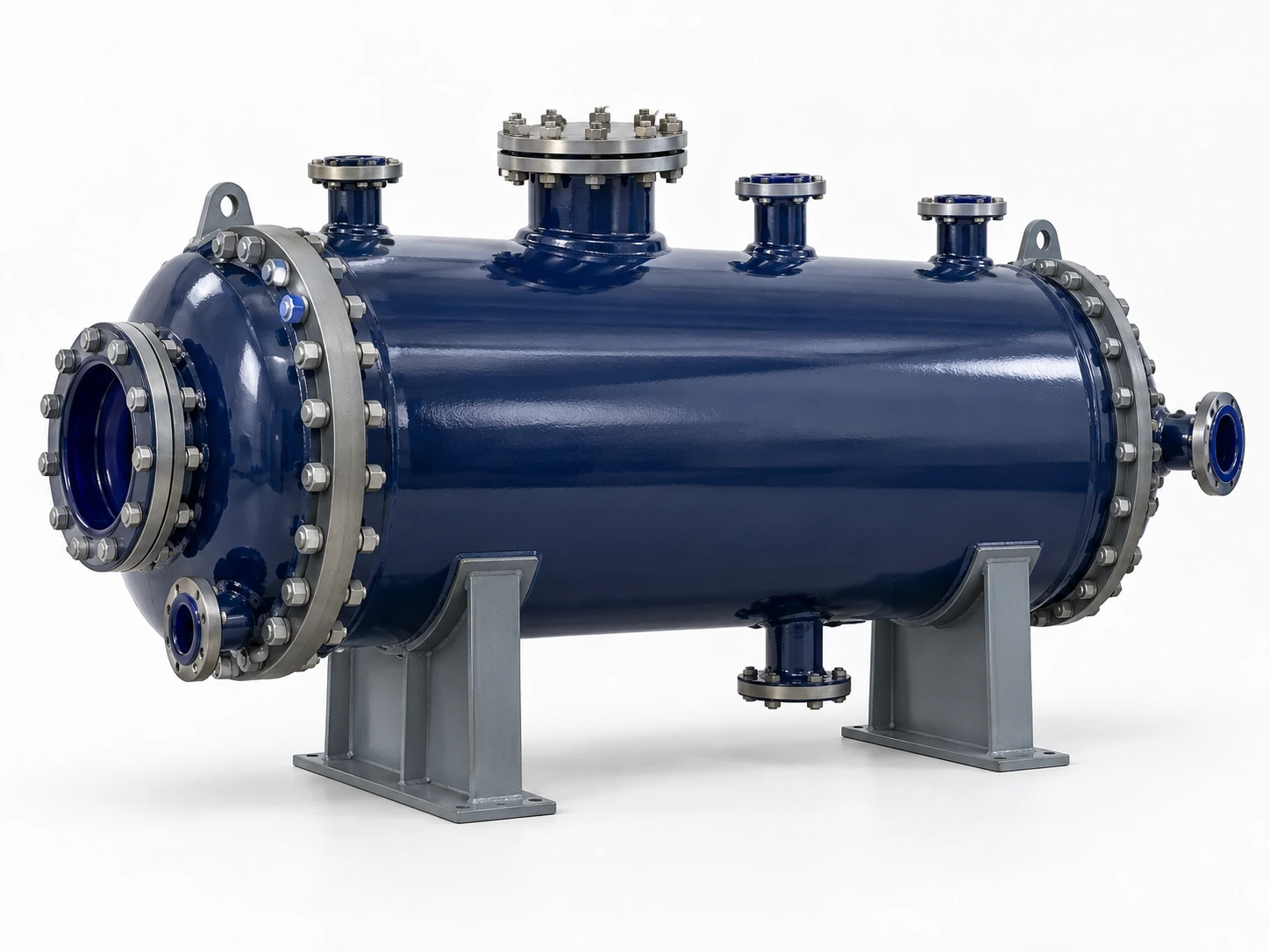
Contain, buffer and receive with purpose.
A storage vessel supports a material-handling step within the process line. Its role may be feed preparation, intermediate storage, receiving, buffering or transfer rather than reaction.
Corrosion-Resistant Containment
Provide a suitable product-contact environment for compatible process media and aggressive liquids.
Process Buffering
Support a defined hold or buffer point between connected process operations.
Receiving & Transfer
Coordinate the vessel with incoming material, downstream storage or transfer connections.
Match the vessel arrangement to its role.
Without assuming unconfirmed dimensions or ratings, the storage vessel basis can be organized around how material enters, remains, moves and leaves the vessel.
Feed Preparation
Provide a vessel context for preparing or holding feed material before the next process step.
Intermediate Storage
Support a defined storage point for material between process operations.
Receiving Vessel
Coordinate the receiving point with upstream separation, reaction or transfer equipment.
Process Buffering
Help manage the transition between connected duties where a buffer point is needed.
Transfer Arrangement
Review the vessel interfaces that direct material into downstream storage or processing.
Agitation or Thermal Duty
Where applicable, consider mixing or thermal requirements as part of the storage vessel review.
Define what the vessel must hold and support.
Storage vessel selection depends on the material, containment role, operating context and connections that shape the process route.
Connect storage to the surrounding process.
The storage vessel should remain connected to the upstream and downstream equipment, while its own role remains clear as containment, buffering, receiving or transfer.
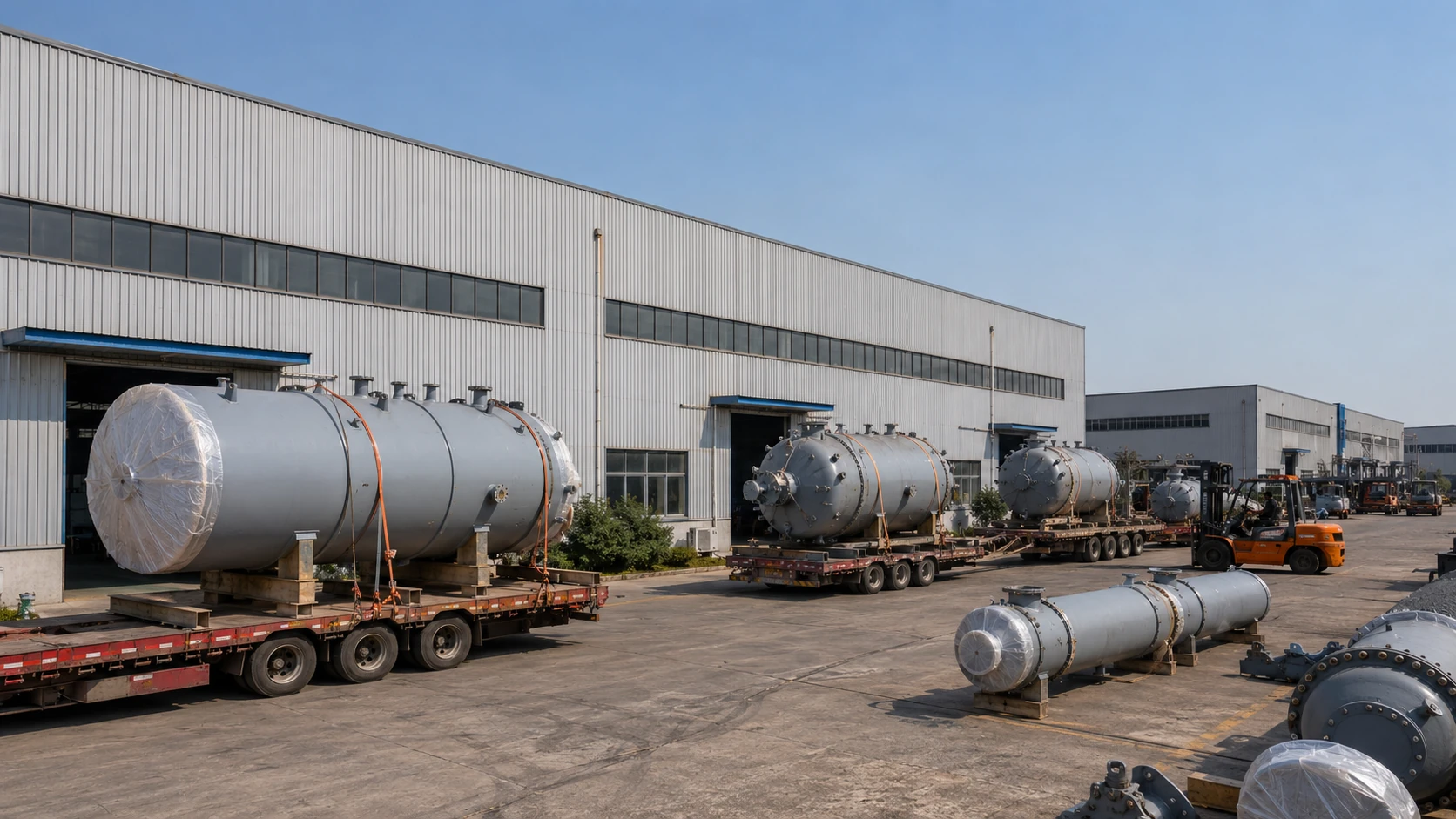
Storage requirements follow the material route.
The application influences the containment, receiving, buffering and transfer questions that should be addressed during vessel selection.
Pharmaceutical Processing
Support feed, intermediate and receiving duties with a compatible containment basis.
Specialty Chemicals
Coordinate vessel role with aggressive media and the connected process route.
Fine Chemicals
Review storage, transfer and interface requirements around the material path.
Agrochemical Processing
Consider containment and receiving needs for corrosive process media.
Resins & Polymers
Account for process changes and storage or buffering requirements.
Process Development
Keep storage decisions linked to process sequence and future engineering review.
Make the storage duty reviewable.
GLP can begin with the material route, the containment role and the interfaces that need to be coordinated.
Material & Compatibility
Process medium, phases and contact environment.
Vessel Duty
Feed preparation, storage, receiving, buffering or transfer.
Interfaces
Nozzles, access, connected equipment and operating context.
Questions for a storage vessel review.
These answers describe the product role at category level. Final suitability depends on confirmed project information.
What are glass-lined storage vessels used for?
They can support feed preparation, intermediate storage, receiving, process buffering and transfer duties for compatible process media.
Is a storage vessel the same as a glass-lined reactor?
No. A storage vessel is selected around containment, buffering, receiving or transfer. It should not be treated as a reactor unless a separate reaction duty is confirmed.
Can a storage vessel include agitation or thermal duty?
Where the process requires it, agitation or thermal considerations can form part of the equipment review. The actual arrangement depends on the confirmed duty and interfaces.
What information is needed for a storage vessel inquiry?
Share the process medium, containment role, operating cycle, temperature, pressure or vacuum context and nozzle or interface requirements.
Discuss the vessel around its real duty.
Send GLP the material route, containment purpose and equipment interfaces. We can help organize the engineering questions for a glass-lined storage vessel review.