
Resources / Process Planning
Glass-Lined Reactor Cleaning & Product Changeover Guide
A visual planning framework for defining the changeover scope, organizing cleaning records and handing the equipment back for the next approved use.
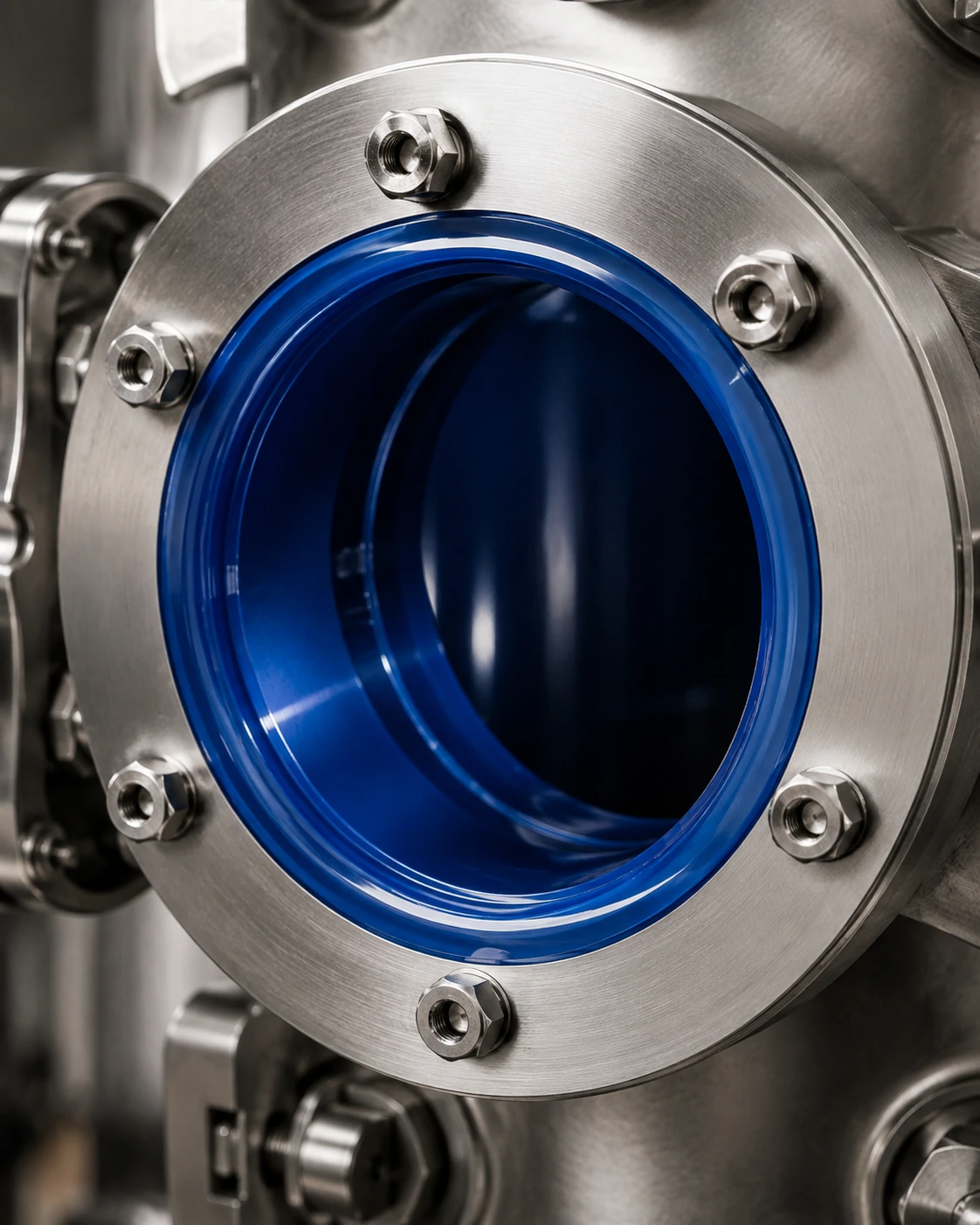
Glass-lined reactor cleaning and changeover planning connects the previous product, the next intended use, the equipment train, the approved cleaning basis and the evidence needed for release. The right cleaning plan depends on the actual residue, equipment geometry, materials, process requirements and site procedures.
Map the equipment included in the changeover
Agree the boundary before a cleaning activity begins. Include only the vessel and connected components that belong to the defined changeover, and record any excluded item for separate control.
Depending on the installed arrangement, the review may need to account for the agitator, baffles, spray devices, sample points, gasketed interfaces, valve cavities, branches, heat exchangers or downstream piping. Mark each point as included, separately controlled or not applicable for the specific equipment.
Four planning gates
Identify the transition
Record the equipment tag, previous and next product, campaign reference, cleaning owner and approved scope.
Locate retention points
Use current drawings and equipment knowledge to list hard-to-access or difficult-to-drain areas for review.
Confirm the cleaning basis
Link the approved site procedure to supplier guidance, product compatibility review and the actual installed configuration.
Close the record
Attach required observations or test records, document exceptions and capture the authorized handoff.
Changeover record checklist
| Record area | Information to capture | Handoff question |
|---|---|---|
| Product transition | Previous and next product or campaign; vessel and connected equipment IDs; scope revision. | Are product identities and equipment boundaries confirmed by the responsible team? |
| Residue and risk review | Known residue state and location; relevant product compatibility information; site cross-contamination assessment reference. | Has the cleaning basis been reviewed for this product pair and intended next use? |
| Coverage and access | Surfaces and components included; spray-device arrangement if present; access, drainage and known shadow areas. | Are uncertainties and any separately cleaned items clearly listed? |
| Approved cleaning basis | Procedure or cycle ID and revision; supplier information consulted; assigned owner and required checkpoints. | Does the current approved procedure cover the installed vessel and accessories? |
| Evidence and release | Required observations, approved test or sampling records, deviations, reviewer and authorization reference. | Has the designated site authority documented the release decision for the next use? |
Keep cleaning evidence tied to its source
Record observations with the equipment location, date, method, source document and responsible person. If an approved site program requires a sample, test or visual examination, link the result to that procedure and its acceptance criteria. Do not turn a single observation into a general claim that all surfaces or connected equipment are clean.
For wash-in-place or clean-in-place systems, system design and coverage depend on vessel geometry, openings, installed hardware, residue characteristics and the selected cleaning basis. CIP or WIP labeling alone does not establish that a particular equipment configuration is suitable for every product pair. Any study or validation claim should refer to the actual scope, approved protocol and documented result.
Questions for the changeover review
- Which previous-product residues and next-product requirements define this changeover?
- Does the current drawing match the installed vessel, valve, nozzles and connected lines?
- Which locations are difficult to access, inspect or drain, and how are they covered by the approved plan?
- Which document sets the cleaning method and release criteria for this product pair?
- How will exceptions, maintenance findings or incomplete evidence be escalated and closed?
Frequently asked questions
Can one cleaning cycle be used for every product change?
That decision belongs to the site’s approved process. Product pair, residue, equipment arrangement and quality requirements can differ, so this guide does not define a universal cycle.
Does CIP or WIP prove the vessel is ready for the next product?
No. The terms describe cleaning approaches. The cleaning scope, evidence and release decision need to follow the approved site procedure for the actual equipment and process.
What if the residue or equipment scope is uncertain?
Record the uncertainty and route it to the responsible process, quality, safety or equipment contact under site procedures before the cleaning basis is approved.
Build a traceable cleaning handoff
GLP can review the equipment configuration and available documents as inputs to a project-specific discussion. Site owners remain responsible for approving operating and release procedures.
Related resources
- Inspection & Documentation Guide — organize source records, observations and follow-up actions.
- Technical Documentation — connect equipment definition, inspection and handover information.
- GLP Resources — browse planning and technical guides.
- De Dietrich Process Systems: cleaning-system design factors and CIP cleanability studies.